
Impact Across America

Across the country, conservation professionals are helping restore habitat, improve working lands, support
The History of Conservation
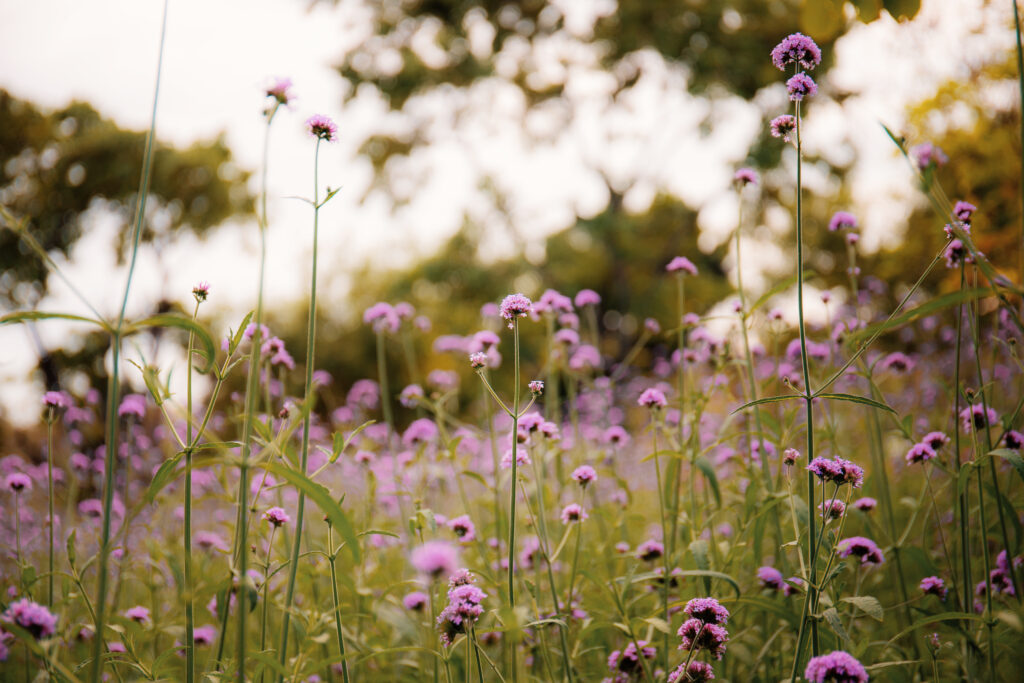
Conservation did not begin as a movement. It began as necessity.
Long before policies, programs, or partnerships, people relied directly on the land for survival. Food, water, shelter, and livelihoods were inseparable from the health of natural systems. Early communities understood something fundamental that still holds true today: if the land is degraded, everything that depends on it is at risk.
Over time, as populations grew and landscapes changed, that relationship shifted. Conservation evolved from instinct to intention.
Fire on the Landscape
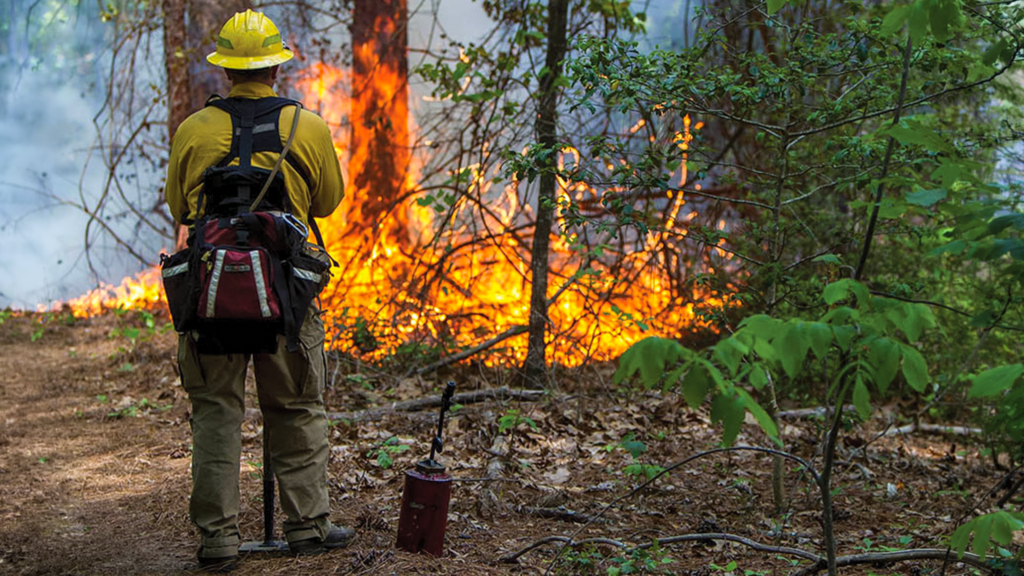
Prescribed fire is one of the most effective tools available for restoring and maintaining healthy wildlife habitat. When carefully planned and applied under the right conditions, fire helps rejuvenate native vegetation, improve habitat structure, and support the diverse needs of grassland and forest wildlife.
Many species evolved alongside periodic fire and depend on the open conditions and plant diversity it creates.
Conservation & Biodiversity
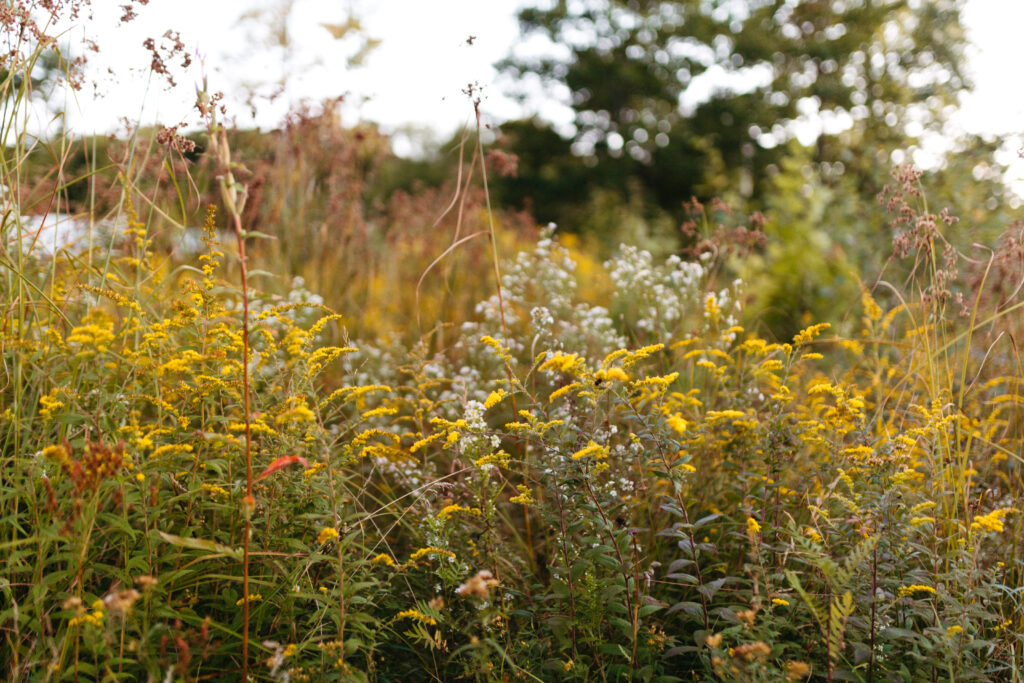
Healthy ecosystems depend on biodiversity. From grasslands and forests to wetlands and working lands, conservation efforts help restore habitat, support wildlife populations, and strengthen natural systems that benefit both people and nature.
Strategic conservation practices improve the health of the land while creating lasting benefits for birds, pollinators, native plants, and countless other species.